Understanding the Basics of Casino Expenses
When planning a visit to a casino, many people focus primarily on the entertainment value and the potential for winning. However, it’s crucial to grasp the various expenses that accompany a casino visit. Beyond the money spent on games, patrons often overlook costs related to transportation, food, and lodging. For those interested in different options, canadian betting sites can provide valuable insights on budgeting for these expenditures effectively. Understanding these expenditures can help players budget their time and resources effectively. For instance, parking fees can accumulate quickly, especially if you’re visiting a large facility with limited free options.
Casino dining can also be significantly pricier than anticipated. While some establishments offer buffet deals that seem reasonable, a casual meal at a restaurant within the casino may cost double compared to dining outside. Even snacks can carry a premium, especially late at night when options are limited. Thus, anyone considering a night of gaming must plan for these additional costs, as they can quickly add up and consume a sizeable part of one’s bankroll.
Moreover, the allure of casino promotions can sometimes mislead visitors into underestimating total expenses. Many casinos market enticing offers, such as free play credits or meal vouchers, but these often come with stipulations or are only applicable once you spend a certain amount. In the end, these marketing tactics can obscure the actual costs incurred during your visit, leaving players surprised and out of pocket by the end of the night.
The Psychological Costs of Gambling
Beyond the tangible financial costs, visiting a casino can also incur significant psychological expenses. Many individuals find themselves feeling stress or anxiety related to the potential for loss. The thrill of gambling can elicit a rollercoaster of emotions, from excitement when winning to despair during losses. This can lead to a cycle of chasing losses, where players continue to gamble in hopes of recouping what they’ve lost, often resulting in greater financial harm.
Peer influence can also play a crucial role in the psychological costs of gambling. Friends or family members who play together can create an environment where spending escalates beyond what was initially intended. The social aspects of gambling can blur the line between responsible play and reckless spending, particularly when others are encouraging additional bets or larger stakes. It’s essential to be aware of how social dynamics can affect your decision-making and budgeting while gambling.
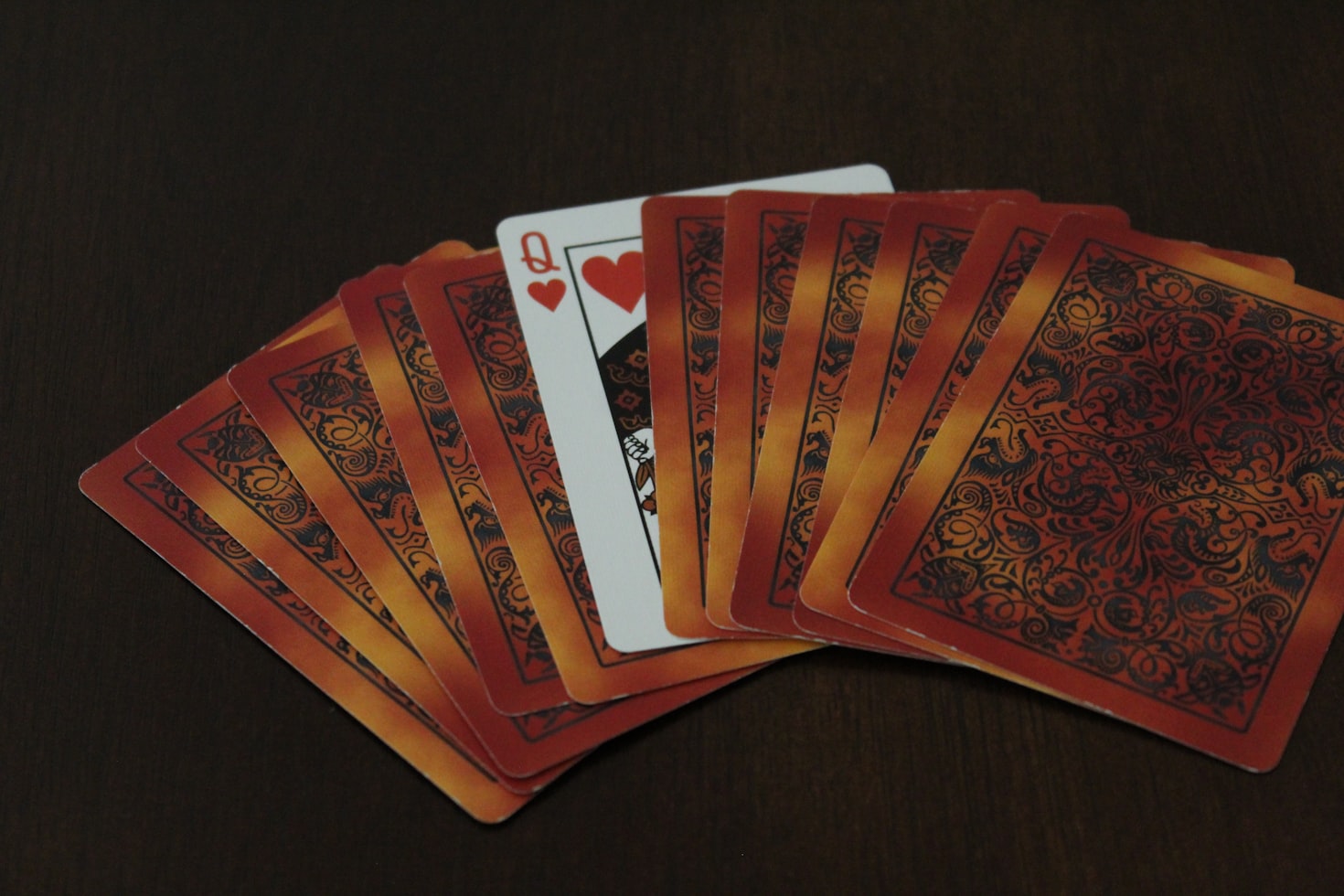
Furthermore, addiction is a real and pervasive issue associated with gambling. For some individuals, the thrill of betting can become an obsession, leading to devastating consequences. These psychological costs can manifest as emotional distress, relationship issues, and significant financial hardship. Understanding the risks associated with gambling is crucial for maintaining personal well-being and ensuring that casino visits remain enjoyable rather than detrimental.
Hidden Fees in Casino Amenities
Casinos are designed to create an immersive experience, but this comes with its own set of hidden fees. Beyond the entry costs, players may encounter charges for amenities such as spas, shows, or even lounge access. While these features enhance the overall experience, they can inflate the total cost of a casino visit significantly. For example, attending a live performance at a casino often includes service fees that are not immediately apparent during the ticket purchase process.
Additionally, many casinos implement compulsory gratuities for service staff, particularly in restaurants and bars. This can come as a surprise to many patrons who may not factor this additional percentage into their budget. Understanding that gratuities are often automatically included in bills can help patrons plan their expenses more accurately. Failing to account for these charges can lead to frustration when settling tabs or evaluating overall costs after a night out.
Casino loyalty programs can add another layer of complexity. While these programs often offer rewards, they can sometimes come with hidden conditions. Players may have to reach specific spending thresholds before they earn rewards or may only qualify for bonuses after a certain period. Thus, what seems like a beneficial program can lead to players spending more than intended in order to reap the promised rewards, further complicating their financial landscape.
The Cost of Time and Opportunity Lost
While the financial aspects of casino visits are often the primary concern, it’s also critical to consider the value of time spent at these establishments. Long hours spent gambling can translate into lost opportunities elsewhere, whether that involves missed work, family time, or other pursuits that contribute to personal development. The enjoyment of gambling can be intoxicating, leading players to lose track of time, which can have broader implications in their personal and professional lives.

This lost time can accumulate quickly, especially during weekends or holiday periods when casinos are bustling with activity. The thrill of winning can keep players engaged far longer than anticipated, causing them to neglect other responsibilities or commitments. As a result, the decision to gamble can also mean sacrificing valuable time that could have been spent on more productive endeavors, leading to potential regret once the casino visit is over.
Moreover, frequent visits to casinos can affect mental health, as individuals may struggle to balance their gambling activities with everyday life. A commitment to gambling can create a rift in routine, leading to unhealthy habits and relationships. Recognizing these costs is vital for anyone considering regular visits to a casino, as maintaining balance can prevent both financial strain and emotional turmoil.
Conclusion and Resources for Responsible Gaming
Understanding the hidden costs of casino visits is essential for ensuring that your experiences remain enjoyable and responsible. The combination of monetary expenses, psychological impacts, and time lost can greatly affect your well-being and finances. Whether you’re a casual visitor or a frequent gambler, awareness is key to enjoying your time at the tables while managing your resources effectively.
If you find yourself questioning your gambling habits or experiencing negative consequences related to casino visits, numerous resources are available to help. Many casinos offer information on responsible gaming, including tools to limit spending and strategies for maintaining control. Additionally, support groups and organizations focused on gambling addiction can provide valuable assistance and guidance for those in need.
Staying informed about these hidden costs can empower you to make better choices when visiting casinos. By being mindful of the various expenses and their potential impacts on your life, you can enhance your gaming experience and ensure that it remains a fun and entertaining activity rather than a source of stress or regret. Remember, the key to enjoying casino visits lies in understanding both the financial and psychological aspects involved.