The Psychology Behind Casino Design
Casinos are meticulously designed to create an immersive environment that keeps players engaged for extended periods. This design often includes the use of bright lights, vibrant colors, and captivating sounds that appeal to the senses. Many people enjoy the thrill of playing games at casino sites fast withdrawal options, which enhance the excitement of their experience. The layout of a casino is typically open and sprawling, allowing visitors to easily navigate through various gaming areas. This immersive experience triggers psychological responses, making it challenging for players to perceive the passage of time.
Moreover, the deliberate arrangement of gaming machines and tables encourages players to stay within the confines of the casino. By strategically placing popular games near entrances and bars, casinos create a flow that invites players to explore further rather than leaving after a short visit. This design not only attracts newcomers but also retains existing players, increasing their overall gaming time and spend.
Additionally, casinos often lack clocks and windows, which further disorient players regarding time. This absence of temporal cues allows individuals to lose track of how long they have been playing, often resulting in longer gaming sessions. The psychological tactics employed by casinos are not merely incidental but rather a calculated effort to enhance player retention and maximize profits.
The Role of Rewards and Incentives
Another crucial aspect of casino design is the implementation of reward systems that incentivize continued play. Many casinos offer loyalty programs and bonuses that reward players for their time and money spent. These programs often feature tiered rewards that provide escalating benefits, which can motivate players to continue playing to reach higher tiers. For instance, rewards might include complimentary meals, hotel stays, or exclusive access to events, creating a sense of value for players.
These reward systems not only enhance the overall experience but also encourage players to engage in behaviors that prolong their stay. The more players feel appreciated and valued by the casino, the more likely they are to return and spend more time playing. This cycle of reward and increased playtime demonstrates a sophisticated understanding of human behavior and motivation.
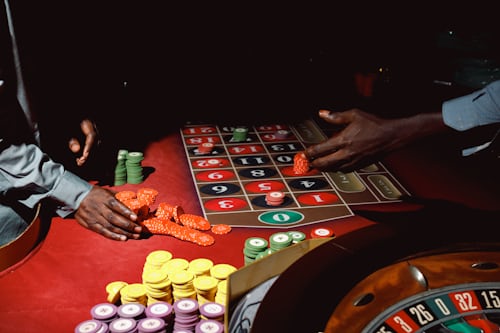
Furthermore, casinos often employ promotional events, such as tournaments or giveaways, that create a sense of urgency. Players may feel compelled to participate to win additional rewards or prizes, which can lead to extended gaming sessions. These incentives not only enrich the players’ experience but also boost the casino’s bottom line by encouraging longer visits and increased expenditure.
Environmental Factors Influencing Player Behavior
The physical environment within a casino contributes significantly to player retention. The use of ambient music, comfortable seating, and even the scent of the air are all factors that can influence a player’s desire to stay longer. For instance, softer music can create a relaxed atmosphere, encouraging players to linger, while upbeat tempos may energize them and keep their spirits high during extended play.
Casinos also pay close attention to temperature and lighting, ensuring that the environment remains comfortable. Overly bright lights can be overwhelming, while dim lighting can create a cozy ambiance. This calculated control over environmental factors is designed to keep players feeling at ease, enabling them to settle into their gaming experiences without the desire to leave prematurely.
Furthermore, the strategic placement of bars and food options within the gaming areas encourages players to take breaks without leaving the casino. This seamless integration of dining and gaming spaces prolongs the overall visit, as players are tempted to refuel and resume play rather than exiting the premises. These environmental manipulations are core to the casino’s overall strategy to maximize the duration of player engagement.
The Impact of Game Design and Mechanics
Game design is another pivotal factor in how casinos keep players engaged for longer periods. Slot machines, for instance, are designed with captivating animations and sound effects that stimulate the player’s senses. These elements create a feedback loop of excitement and anticipation, making it easy to lose track of time during gameplay. The “near-miss” phenomenon, where players come close to winning, can also trigger a psychological urge to keep playing, as they believe that winning is just around the corner.
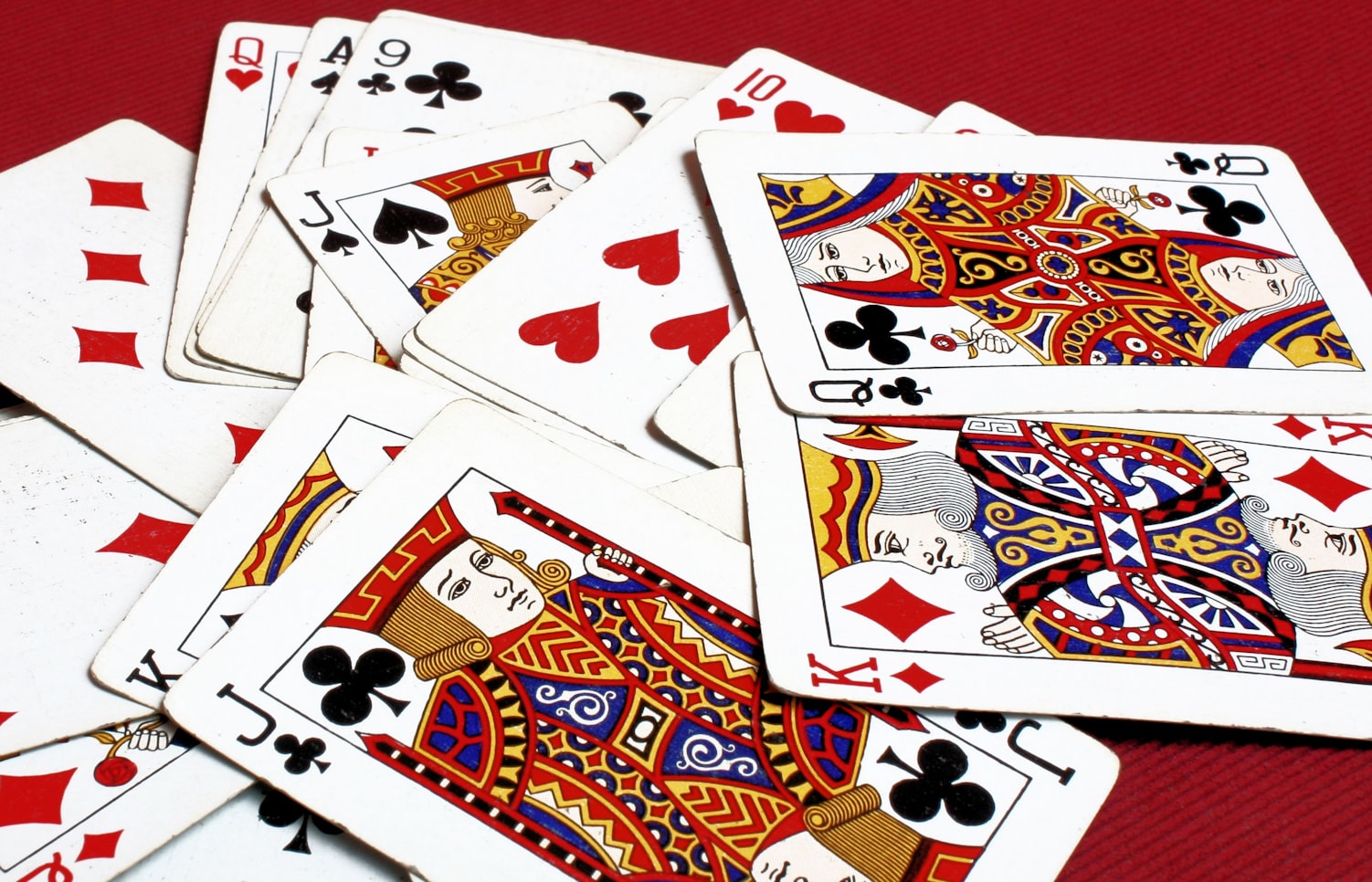
Moreover, the use of variable rewards within games, where players are uncertain of when they might win, fosters a sense of hope and excitement. This uncertainty can lead players to continue playing in pursuit of that elusive jackpot, as the excitement of potential rewards becomes too alluring to resist. Casinos employ this mechanism across various game types, ensuring that each game keeps the thrill alive, drawing players in for longer periods.
Additionally, the social aspect of gaming often plays a significant role in encouraging longer playtime. Many casino games, like poker or blackjack, involve interaction among players, creating a sense of camaraderie or competition. This social bonding can make the gaming experience more enjoyable and encourage players to remain engaged, further underlining the connection between game design and player retention within the casino environment.
Understanding the Functionality of Casinos
Ultimately, the intricate design and operational strategies of casinos are built around the singular goal of maximizing player engagement and profit. Understanding how factors like psychological principles, environmental cues, rewarding systems, and game mechanics intertwine provides insight into the sophisticated operations of casinos. By creating an immersive experience, casinos cultivate a space where players feel compelled to stay and play longer.
By continuously studying player behavior and preferences, casinos can adapt their offerings to enhance the player experience further. Keeping their gaming options fresh and exciting is key to maintaining interest and ensuring that players return for more. This approach not only increases the likelihood of extended play but also builds brand loyalty among players.
In conclusion, the entire structure of modern casinos is intentionally crafted to captivate and retain players, making it clear that they are indeed designed to encourage longer gaming sessions. Understanding this complex interplay can empower players to make informed choices about their gaming habits and time spent within these entertainment hubs.